Unveiling Barcelona: A Walkers' Guide
Introduction to the City's Walking Tours
Wanderlust beckons in the heart of Catalonia, where Barcelona’s cobblestone streets whisper tales of the past to those who tread them. The city’s walking tours are not merely strolls but a celebration of history, architecture, and the zestful culture that thrives within its bounds. Each tour offers a unique vantage point from which to absorb the essence of this vibrant metropolis.
From the Gothic Quarter's medieval labyrinth to the shimmering modernist façades of Eixample, guided footsteps lead to the discovery of hidden gems and famed wonders alike. Whether it’s the intimate narratives of local guides or the silent tales told by ancient walls, Barcelona's walking tours offer immersive experiences for enthusiasts of art, food, and history.

How to Choose the Perfect Walking Tour for You
The diversity of walking tours available in Barcelona means there’s a journey for every traveler. To choose the one that suits you best, consider what sparks your curiosity. Is it the grandeur of Gaudí’s masterpieces, the bustling markets and tapas bars, or the shadowy corners steeped in legends? Your interests should be at the forefront of this decision.
 Duration, group size, and physical intensity are also key factors. For a more intimate, detailed exploration, opt for smaller group tours or even private outings. If you’re looking to make new friends or adhere to a budget, the larger group tours are ideal.
Below is a table to guide you through the various aspects of Barcelona's walking tours, helping you make an informed choice:
Tour Type | Focus | Duration | Group Size | Cost |
|---|---|---|---|---|
Historic Highlights | Gothic Quarter, Ancient Landmarks | 2-3 hours | Up to 20 | €25-€40 |
Gaudí's Architectural Gems | Sagrada Familia, Park Güell | 2.5-4 hours | Up to 15 | €30-€50 |
Foodie's Delight | Tapas Bars, La Boqueria Market | 3 hours | Up to 10 | €40-€70 |
Bohemian Neighbourhoods | El Raval, Gràcia | 1.5-2 hours | Up to 15 | €20-€35 |
Legends at Dusk | Haunted Tales, Sunset Views | 2 hours | Up to 20 | €15-€30 |
Embarking on a Gastronomic Adventure
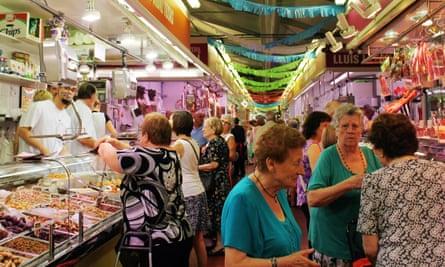
Finding the Heart of Catalan Cuisine
Catalonia, a vibrant region in the northeast of Spain, boasts a cuisine as colorful and distinctive as its landscapes. At the heart of Catalan cuisine lies the philosophy of 'Mar i Muntanya,' a harmonious blend of seafood from the coast and meats from the mountains. This principle underlines the traditional pairing of flavors that reflect the region's diverse geography.
Catalan cooking is also characterized by its use of fresh, seasonal ingredients. Staples such as 'pa amb tomàquet' (bread with tomato), 'botifarra' (Catalan sausage), and 'escalivada' (roasted vegetables) embody the simplicity and robust flavors inherent in local dishes. A visit to Catalonia is incomplete without sampling its iconic 'fideuà', a noodle-based paella variant, or its rich, creamy 'crema catalana' for dessert.
The gastronomic journey in Catalonia extends beyond typical dishes. It's a chance to delve into the culture through 'calçotadas' – festive gatherings featuring grilled onions – and the exploration of 'cava', the sparkling wine of the region. Both are quintessential Catalan experiences that tantalize the taste buds and create lasting memories.
Specialty Food Shops and Local Markets
Navigating through the labyrinth of Catalonia's specialty food shops and local markets is an adventure in its own right. These bustling epicenters of taste are where locals and food enthusiasts converge to sample the freshest produce and artisan products.
To fully immerse oneself in the experience, here is a step-by-step guide for exploring a Catalan market:
Start Early: Arrive in the morning for the best selection of freshest goods and a chance to mingle with the locals.
Explore the Stalls: Walk through the market and take in the vibrant colors and aromas, and don't hesitate to ask vendors for a taste.
Seasonal Specialties: Ask about seasonal products that may offer a unique flavor native to the region.
Local Delicacies: Purchase local cheeses, cured meats, and preserves to savor the complexity of Catalan flavors.
Enjoy On-the-Spot: Many markets offer small eateries where you can enjoy meals prepared with ingredients sourced directly from the market.
Start Early:Explore the Stalls:Seasonal Specialties:Local Delicacies:Enjoy On-the-Spot:
Below is a table highlighting typical Catalan products that food lovers should not miss:
Product | Description | Season | Origin |
|---|---|---|---|
Calçots | Spring onions grilled over an open flame | Winter | Valls |
Escalivada | Assortment of roasted eggplant, bell peppers, and onions | All Year | Catalonia |
Botifarra | Traditional Catalan sausage | All Year | Catalonia |
Cava | Catalan sparkling wine | All Year | Penedès region |
Remember, the key to appreciating Catalan cuisine is to indulge your senses and allow the local flavors to guide you through a rich culinary landscape.
Barcelona through the Artist's Eyes
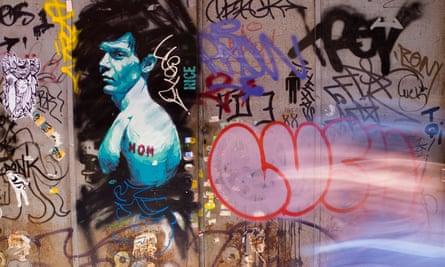
Discovering Street Art Gems
Barcelona's streets are a vibrant canvas, showcasing a rich tapestry of street art that ranges from sprawling murals to intricate stencils. This open-air gallery captures the cultural heartbeat of the city, one alley at a time, offering a different perspective of Barcelona to its inhabitants and visitors alike. To truly appreciate the artistry, wander through the neighborhoods of El Raval or Poblenou, where every corner offers a surprising splash of color and creativity.
Step into the labyrinthine gothic quarter, Barri Gòtic, and you might stumble upon unexpected urban masterpieces. Local and international street artists have left their mark here, turning the gothic architecture into a contrasting backdrop for their modern expressions. If you're keen to follow the evolution of a particular artist, look for guided walking tours that'll lead you to hidden spots enriched by the stories behind the artworks.
Begin your exploration in the heart of Barcelona at the Plaza Catalunya and take a leisurely stroll down La Rambla. The journey through this bustling promenade offers more than just street performers and markets; the side streets and old facades hold stencil works and posters that often comment on social and political issues. Don't forget to turn your gaze upwards—some of the most intriguing pieces are perched high above street level.
The Legacy of Spanish Artists
The Spanish artist's contribution to the world of art is monumental, and Barcelona is a testament to this enduring legacy. Home to many celebrated artists, including Joan Miró, Pablo Picasso, and Antonio Gaudí, the city is a living museum adorned with their influential works. You can spend days tracing the steps of these great masters, their innovations paving the way for the generations that followed.
The artistic pilgrimage inevitably leads to several key locations that hold the essence of Catalonia's artistic heritage. Picasso's formative years were spent in Barcelona, influencing some of his most significant work. The Picasso Museum, housed in medieval palaces in La Ribera, displays a comprehensive collection, providing insight into his prodigious talent and the breadth of his career.
Gaudí, perhaps the most iconic figure of Barcelona's artistic panorama, has left a profound impact on the city with his architectural masterpieces. Marvel at the whimsical facades of Casa Batlló and Casa Milà, or immerse yourself in the epic scale of the Sagrada Família, each site a chapter in Gaudí's vision of Modernisme.
A visit wouldn't be complete without experiencing the magical Parc Güell, a public park enriched with mosaics, sculptures, and architectural forms that blend seamlessly with nature. While Gaudí's works dominate the scene, Miró's bold colours and abstract forms are also omnipresent, with sculptures like "Donna i Ocell" standing as vibrant sentinels to his imaginative prowess.
Must-Visit Sites for Art Lovers in Barcelona | ||||
Site | Artist | Type of Work | Location | Notable Work |
|---|---|---|---|---|
Picasso Museum | Picasso | Museum Collection | La Ribera | "Las Meninas" Series |
Sagrada Família | Gaudí | Architecture | Eixample | Nativity Facade |
Casa Milà | Gaudí | Architecture | Passeig de Gràcia | The Roof Terrace |
Parc Güell | Gaudí | Architectural Park | Gràcia | The Main Terrace |
Fundació Joan Miró | Miró | Museum Collection | Montjuïc | ("The Caress of a Bird") |
The Gothic Quarter: A Timeless Journey
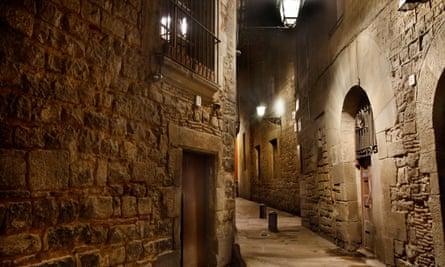
The Secrets of Medieval Barcelona
Stepping into the Gothic Quarter is like flipping through the pages of a rich historical novel. The narrow, labyrinthine alleys, with their ancient stone buildings, each hold a story that dates back to the Roman settlement of Barcino. The surviving Roman Wall sections whisper tales of Barcelona's distant past, while the later medieval additions to the quarter showcase the Gothic architectural prowess that has withstood the test of time. As you meander, you may stumble upon hidden squares that offer a tranquil respite from the bustling city beyond.
One of the secrets waiting to be discovered is the hidden fountain believed by some to grant longevity to those who drink from it. To slip further under the Gothic Quarter's spell, one should not miss the historical Jewish quarter, El Call, with its discreet synagogues and poignant history, which provides an insightful look into the life of medieval Jewish communities in Spain.
Legends and Landmarks
The Gothic Quarter is not just a district of Barcelona, but a canvas of legends, each more captivating than the last. Plaça del Rei, a historic square, is rumored to be the very location where Christopher Columbus was received by the Catholic Monarchs after his voyage to the New World. Further adding to the area’s mystique, some local tales suggest that the narrow, shadowy passageways around the Cathedral of Barcelona are stalked by the ghost of a past bishop.
The landmarks are as storied as the legends themselves. Below is a table highlighting a selection of the Gothic Quarter's timeless attractions:
Landmark | Description | Notable Feature |
|---|---|---|
Cathedral of Barcelona | An exemplar of Gothic architecture with a history dating back to the 13th century. | The cloister with its 13 white geese, representing Saint Eulalia's age at her martyrdom. |
Basilica of Santa Maria del Pi | A beautiful church renowned for its stained glass windows and a vast rose window. | The Fossar de les Moreres, a memorial square located in proximity to the basilica. |
Plaça Sant Jaume | The historical and political heart of Barcelona where the City Hall and the Palau de la Generalitat are located. | Occasionally hosts traditional Catalan dances and celebrations. |
Plaça Sant Felip Neri | A serene square with a tragic past, marked by scars of a bombing during the Spanish Civil War. | The baroque church and its haunting atmosphere. |
Surrounding these landmarks, the vibrant aura of local artisans and performers enlivens the Gothic Quarter's ancient stones, ensuring that every visit is as unique as the tales that echo through its corridors of time.
Nature’s Path: Green Spaces and Beach Walks
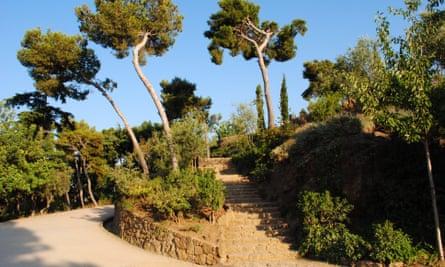
Urban Sanctuaries: Parks and Gardens
Discover pockets of peace in the vibrant tapestry of the city, where parks and gardens offer a verdant escape from urban bustle. These urban sanctuaries are perfect for a leisurely stroll, a picnic with friends, or simply enjoying a quiet moment surrounded by flora and fauna. Notable parks might boast historical statues, meandering paths, and tranquil ponds, making them an essential part of the city's landscape.
The allure of these spaces touches all senses. Fragrant blooms provide a natural aromatherapy while the gentle rustle of leaves and the soft chatter of wildlife form a symphony that soothes the soul. Indulge in the sensory pleasure as you find your own favorite corner in these communal backyards.
For visitors interested in horticulture or seeking a more educational experience, guided tours may be available. These tours can offer insights into the local ecosystem, plant species, and garden design, adding depth to your appreciation of these green spaces.
The Meditteranean Shoreline Stroll
The Mediterranean coast beckons with its mosaic of blue tones, sandy stretches, and pebbly coves. A shoreline stroll here is not merely a walk but an immersion into a historic landscape shaped by waves and whispering sea breezes
Embark on this serene journey as you meander along coastline paths, taking in the expansive views of the sea. Each bend unveils a new panorama, and with it, a chance to gaze upon picturesque villages clinging to cliffs, rugged headlands, and the occasional ancient ruin sighing tales of bygone eras.
Here's a brief guide to making the most out of your Mediterranean shoreline stroll:
Step | Activity | Tips |
|---|---|---|
1 | Plan Your Route | Consider the length and difficulty of the path. Start early to avoid the midday sun. |
2 | Essentials Packing | Bring water, sun protection, and a camera. Wear comfortable walking shoes. |
3 | Historical Detours | Visit ruins or local monuments along the way to enrich your experience. |
4 | Local Tastes | Sample seafood at coastal eateries. Try local wine at a beachfront cafe. |
The path also offers several rest stops and lookouts, where you can pause, reflect, and absorb the tranquil beauty. Culminate your journey with an awe-inspiring sunset that cloaks the water in hues of gold and pink—a fitting end to a day spent strolling along one of the most picturesque coastlines in the world.
Barcelona’s Architectural Wonders
Gaudi’s Grand Designs
Barcelona and Antoni Gaudí are synonymous with each other. Gaudí, the maestro of Catalan Modernism, left an indelible stamp on the city with his avant-garde approach to architecture. Most notable is the Sagrada Família, a colossal basilica that spires towards the heavens, intricately adorned with Christian symbolism and organic motifs – a visualization of Gaudí's devout faith and love for nature. It stands incomplete even today, yet it remains one of the most-visited monuments in Spain.
Not far from the Sagrada Família are Gaudí's other masterpieces that make up the Illustrious Modernist Route. Casa Batlló, with its scaly façade reminiscent of a dragon, and the enchanting Park Güell, a public park that combines natural elements with architectural innovations, are breathtaking interpretations of public and private spaces. La Pedrera, also known as Casa Milà, stands out with its unique stone facade and chimney pots looking like helmeted warriors.
Contemporary Architecture Highlights
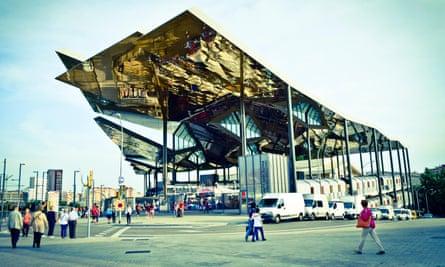
Contemporary architecture in Barcelona is just as diverse and impressive as its historical counterparts. The city has embraced innovation and modernity with open arms, creating a splendid blend of old and new. A symbol of this blend is the Torre Glòries, formerly known as Torre Agbar, which pierces the skyline with its bullet-shaped structure and nighttime illumination that transforms it into a beacon of light and color.
A short walk from the beach, the W Barcelona hotel, also known as the Hotel Vela (Spanish for 'sail'), is an exemplary modern edifice by Ricardo Bofill. It rises like a sail at the shore, offering breathtaking views of the Mediterranean. These contemporary monuments, together with the sleek design of the Barcelona Airport Terminal T1, showcase the city's commitment to pioneering architecture.
Gaudí's Works | Year Started | Location | Must-See Features |
|---|---|---|---|
Sagrada Família | 1882 | Carrer de Mallorca, 401 | Facade, interior, museum |
Casa Batlló | 1904 | Passeig de Gràcia, 43 | Dragon-like facade, loft, roof terrace |
Park Güell | 1900 | 08024 Barcelona | Serpentine bench, salamander sculpture |
La Pedrera / Casa Milà | 1906 | Provença, 261-265 | Wavy stone facade, rooftop terrace |
The Bohemian Trails of El Born

The Culture-Rich Corners of El Born
El Born, a labyrinth of narrow streets in the heart of Barcelona, is a tapestry woven with rich historical threads and vibrant contemporary culture. Wandering through its alleys, one can scarcely believe the layers of history that cling to the old stone walls, each carrying a tale waiting to be discovered. The district brims with Gothic architecture, and a stroll through it can feel like a step back in time, with the imposing Santa Maria del Mar church standing as a testament to the area's past grandeur.
Yet, there is an undeniable pulse of modern life that animates El Born. This neighborhood is not only steeped in antiquity but also brightly painted with the brush of modernism. The streets buzz with a kaleidoscope of locals and travelers alike, each drawn here by the shared spirit of discovery and the promise of stumbling upon a hidden gem, whether it be an intimate flamenco performance or a surprise street festival celebrating Barcelona's patron saints. Each corner reveals a new facet of El Born's character, offering an unscripted exploration of a neighborhood that refuses to be pigeonholed.
Artisan Boutiques and Crafts
Beyond the historical allure, El Born is a treasure chest of artisan boutiques and crafts. With a keen eye for detail and a heart for sustaining tradition, local artisans offer an array of bespoke items that reflect the neighborhood's bohemian essence. Here, handmade jewelry, bespoke leather goods, and avant-garde fashion stand proudly in the quaint shop windows, inviting passersby to indulge in the pleasure of hand-crafted quality.
In this hub of creativity, craftsmanship meets artistry. Visitors can not only shop but also witness the passion and skill of the creators, some of whom may be seen working on their next masterpiece by their shop fronts. To guide your exploration of El Born's artisan boutiques, here's a table to mark some must-visit stops:
Boutique | Specialty | Address | Notable Feature |
|---|---|---|---|
La Talenta | Handcrafted Jewelry | Carrer dels Assaonadors, 10 | Customization services |
Piel de Gallina | Leather Goods | Carrer de la Princesa, 7 | Workshop on site |
Vincles | Ceramics | Carrer dels Carders, 14 | Hand-painted designs |
Fet Amb Love | Textile Art | Carrer de l'Argenteria, 43 | Eco-friendly materials |
El Born is not just a district to pass through; it is a living canvas that invites exploration and rewards the curious. Each boutique has a story, and every artisan is a chapter, contributing to the narrative that makes El Born a microcosm of creativity. As you meander down its streets, let your senses guide you, and you may find that perfect, one-of-a-kind piece that will forever be a memento of the bohemian spirit of Barcelona.
The Fabric of Local Life: Raval’s Tales
Social Initiatives and Community Spirit
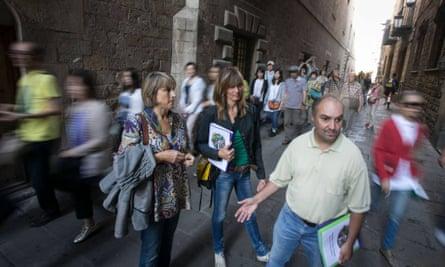
The Raval district is not just an area in the heart of Barcelona; it's a vibrant hub of communal bonds and inventive social initiatives. A melting pot of cultures, Raval's residents have woven a colorful tapestry of support systems and grassroots organizations that reflect its rich diversity.
Among these initiatives is the ‘Raval Cultural’ project, aimed at showcasing the area's artistic talents through community-led exhibitions and performances. Then there’s ‘Raval Verd’, a campaign lending strength to the district's green movement, promoting urban gardens and sustainability workshops that empower locals.
Education is also a key focus, with the ‘Raval Educa’ program providing learning opportunities and supporting integration for all ages. Furthermore, various facilities like ‘Espai Jove Raval’, a youth center, offer a safe space for younger generations to engage in recreation and skill-building activities.
Hip Haunts and Hidden Spots
Raval's charm doesn't stop at community spirit; it's also home to some of Barcelona's coolest spots. From coffee connoisseurs to vintage fashion enthusiasts, the district offers a universe of small shops and local hangouts, each with its own story to tell.
The culinary scene in Raval is bustling with life. From modern fusion eateries to traditional tapas bars, the choices tantalize every palate. For those with a sweet tooth, ‘Dulce Raval’ is an artisan bakery hidden down one of its quieter streets, offering the finest pastries that are a true local secret.
Spot Name | Type | Vibe |
|---|---|---|
La Librería | Bookstore/Café | Quaint and cozy |
El Jardín Secreto | Cocktail Bar | Mysterious and chic |
La Filmoteca | Independent Cinema | Artsy and retro |
El Rincón del Arte | Art Studio/Gallery | Inspiring and creative |
Not to be overlooked are the numerous independent boutiques scattered throughout Raval. ‘Retro Raval’, for instance, is a treasure trove of vintage fashion where the clothes are as charismatic as the neighborhood itself. To uncover the truly unique atmosphere of Raval, one must stroll the narrow alleys and let the textures of the urban fabric tell their tales.
Family Fun: Barcelona with Kids
Interactive and Kid-Friendly Tour Stops
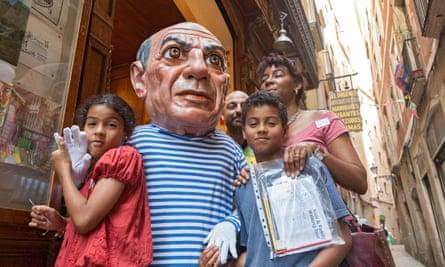
Barcelona is a treasure chest of family-friendly attractions that beg to be explored. One must-visit place is CosmoCaixa, a science museum that offers interactive experiences and has an indoor mini rainforest. Kids can press buttons, turn knobs, and learn about the natural world in an engaging way. Another stop is Park Güell, where the whimsical architecture of Antoni Gaudí will spark any child's imagination.
The Barcelona Zoo, nestled in the gorgeous Parc de la Ciutadella, is also a hit with families. It boasts a wide variety of animals and a child-friendly atmosphere. Meanwhile, the city’s aquarium, L'Aquarium Barcelona, offers a deep dive into marine life, featuring a spectacular walk-through tunnel surrounded by sharks and rays!
Engaging Activities for Young Explorers
Engage your children's adventurous spirits with a scavenger hunt through the Gothic Quarter, involving historical landmarks and hidden treasures. Develop their artistry with hands-on workshops at museums, or head to the beach for some sun, sandcastle building, and paddle-boarding. There's always something to do in Barcelona that will capture the interest– and energy– of your little ones.
For a structured adventure, consider the following step-by-step exploration of Montjuïc:
Take the funicular up to Montjuïc and enjoy the thrill of the ride.
Visit the Castell de Montjuïc and pretend to be knights and princesses among its ancient walls.
Stroll through the lush gardens, spotting various Mediterranean plant species alongside your kids.
End the day at the Magic Fountain show where music, light, and water combine to fascinate the whole family.
Best Kid-Friendly Restaurants
Refueling is important when you're adventuring with kids. Luckily, Barcelona is packed with places that are perfect for little ones. From tapas spots serving bite-sized portions perfect for small hands, to pizzerias with kid-approved toppings, there’s a taste for every type of tiny traveler.
Popular Family Dining Options
Name | Type of Food | Kid's Menu | Location |
|---|---|---|---|
Gusto del Born | Italian | Yes | El Born |
La Nena | Chocolatería/Café | No, but very kid-friendly | Gràcia |
El Celler de la Boqueria | Tapas | Yes | La Rambla |
Manna Gelats | Ice Cream | N/A | El Gotic |
Pudding Barcelona | Coffee Shop | No, but very kid-friendly | Eixample |
Keep in mind that many Spanish restaurants are very accommodating to children, with staff often doting on the youngest guests. Don't hesitate to ask for special meal accommodations as needed.
Barcelona on a Budget: Free Explorations

Maximizing the Free Walking Tour Experience
Embarking on a free walking tour in Barcelona is the perfect introduction to the city without denting your wallet. To make the most of these tours, arrive early to secure your spot as groups can fill up quickly. Engage with your guide - they are often locals brimming with knowledge and love for the city. Don't hesitate to share your interests; guides are known to tailor their commentary for an intrigued audience, ensuring a personalized experience.
Wear comfortable shoes because Barcelona's charm is best discovered through its winding paths and cobblestone streets. Pack a bottle of water, a hat, and sunscreen to stay protected from the warm Spanish sun. Remember to check the weather forecast and bring a light jacket if needed, as the coastal breeze can be refreshing in the evenings.
While these tours are 'free,' guides work on a tips-only basis, so it's customary to give what you feel the tour was worth at the end — a generous tip rewards the guide's dedication and supports this free service for future travelers.
Tips for Enjoyable and Cost-Effective Tours
Tip | Details | Budget Impact |
|---|---|---|
Choose the Right Tour | Research tours available and pick one that aligns with your interests, be it history, architecture, or local food. | High satisfaction with no cost. |
Carry Essentials | Bring a water bottle, snacks, and sunscreen to avoid unnecessary purchases during the tour. | Prevents impulse buys. |
Public Transportation | Utilize the affordable bus and metro system to get to the starting point of your tour. | Minimal travel costs. |
Stay Connected | Download offline maps to navigate without using data. | Save on roaming charges. |
Time your tours to overlap with meal times so you can explore local markets or picnic spots afterwards, saving on restaurant bills. Be part of the group but also allow yourself moments to linger in places that catch your eye; you can always catch up with the group shortly after.
To enhance your touring experience, consider downloading a translation app to overcome language barriers when interacting with locals or reading historic plaques. Staying in a hostel? Network and join forces with fellow travelers to share insights and perhaps plan future journeys together. This collaboration can also lead to shared taxi rides or group discounts at local attractions.
The Self-Guided Discovery
Personalized Itineraries: The Freedom of Solo Travel
The allure of solo travel lies in the luxurious freedom it affords. Striking out on your own allows you to curate a journey that aligns perfectly with your interests, pace, and style. With no need to compromise, you can spend your days diving deep into what truly fascinates you, whether that's lingering in art museums, exploring ancient ruins at your leisure, or simply watching the world go by from a cozy café.
To master the art of solo travel, begin by outlining your priorities. Are you seeking relaxation, adventure, culture, or perhaps a blend of all three? Once you define your travel desires, sketching out a personalized itinerary becomes an exciting prelude to your real-world adventure.
Utilizing Digital Guides and Apps
Gone are the days when solo travelers were weighed down by hefty guidebooks and cumbersome maps. The digital age has revolutionized the way we explore new destinations. A treasure trove of resources is now available at the tip of your fingers through travel apps and digital guides that can offer up-to-the-minute information, reviews, and personalized recommendations.
Popular digital guides like Google Maps provide step-by-step navigation, while apps like TripAdvisor crowdsource reviews and suggestions for top-notch dining and attractions. Specialty apps can enhance your visit to specific types of locations like national parks or art galleries. To harness the power of these tools, follow the steps below:
Step | Instruction | Example App |
|---|---|---|
1 | Download a map/navigation app | Google Maps |
2 | Research and select travel guide apps | Lonely Planet Guides |
3 | Look for apps specific to your destination | Rick Steves Audio Europe |
4 | Organize your apps for easy access during travel | Create a travel folder on your device |
5 | Explore local review apps for dining and activities | Yelp, TripAdvisor |
By integrating these digital tools into your travel plans, you can effortlessly navigate unfamiliar locations, discover hidden gems, and create a journey that is uniquely tailored to you. The self-guided discovery begins with a thirst for adventure and a smartphone loaded with your chosen companions of travel apps—your modern-day map and compass.
Conclusion: Walking through Barcelona’s Rich Tapestry
Reflecting on the Cultural Immersion of Walking Tours
Barcelona’s cobblestone streets and vibrant plazas tell a story that spans centuries. Embarking on a walking tour across this enchanting city allows for an intimate glimpse at the heartbeat that drives its unique culture. As you meander through the Gothic Quarter or marvel at the whimsical creations of Gaudí, it's not merely about the sights—it's the stories, the people, and the living history that envelop you. It is an immersive experience where every corner offers a new narrative thread to the rich tapestry that is Barcelona.
Over the walk, you imbibe the sensory feast that is Catalan cuisine, hear the melodious weave of the Catalan language, and feel the vivacity of Barcelona by night, as street performers and locals alike revel in the city's nocturnal allure. The culmination of these experiences creates an indelible mark on your memory, rooting the essence of the city deep within your soul.
Best Practices for an Unforgettable Journey
To enhance your walking tour through Barcelona and to ensure the fabric of the city is felt to its fullest, here are some best practices to keep in mind as you explore:
Start Early, End Late: Beat the crowds to popular sites by starting early in the day and consider evening walks to experience the nighttime charm.
Comfort First: Ensure you have comfortable footwear, as Barcelona's beauty is best explored at a leisurely, yet considerable, pace.
Local Flavors: Indulge in local dining at tapas bars and markets; the city's gastronomy is as integral to the culture as its architecture.
Stay Flexible: Allow for spontaneous detours or prolonged stops. Some of the city's best moments come from unplanned experiences.
Start Early, End Late:Comfort First:Local Flavors:Stay Flexible:
Area | Focus | Highlights | Tip |
|---|---|---|---|
Gothic Quarter | History | Cathedral of Barcelona, Plaça del Rei | Look out for hidden courtyards |
Eixample | Architecture | Casa Batlló, La Pedrera | Visit during the day and night for different perspectives |
Gràcia | Local Life | Plaça del Sol, Casa Vicens | Enjoy the vibrant terrace culture |
El Raval | Art & Culture | MACBA, Sant Antoni Market | Explore diverse bar and cafe scenes |